From Coconut Husk to Precision-Engineered Media

Every batch is tested for EC, pH, bulk density, and particle profile with full traceability

Our Process

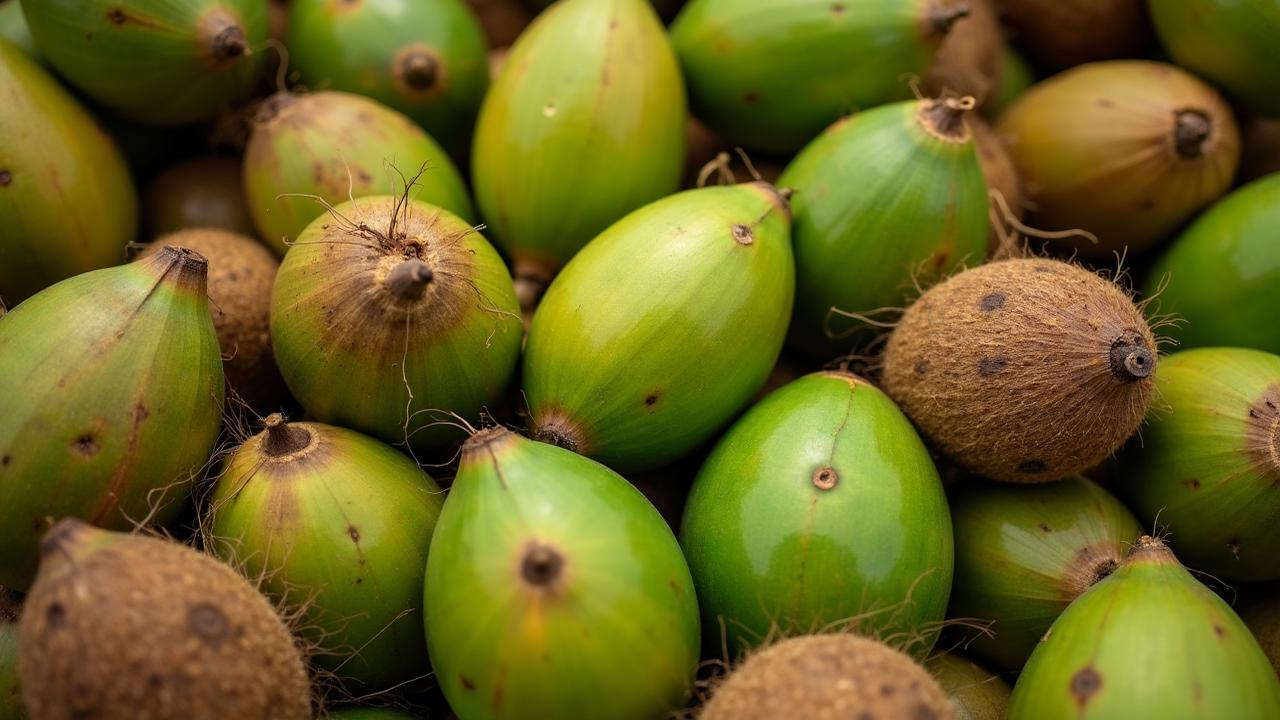
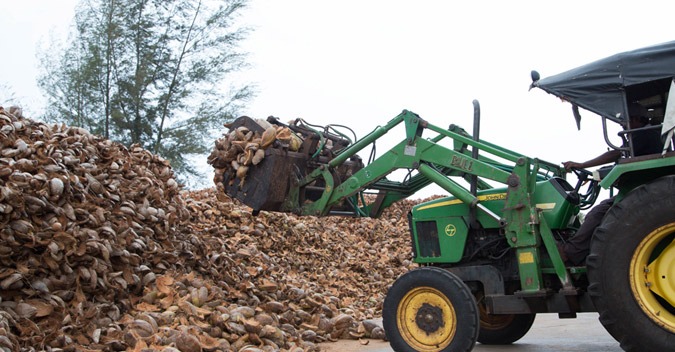
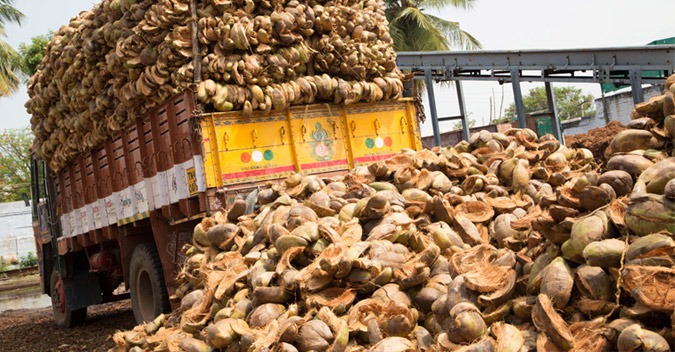
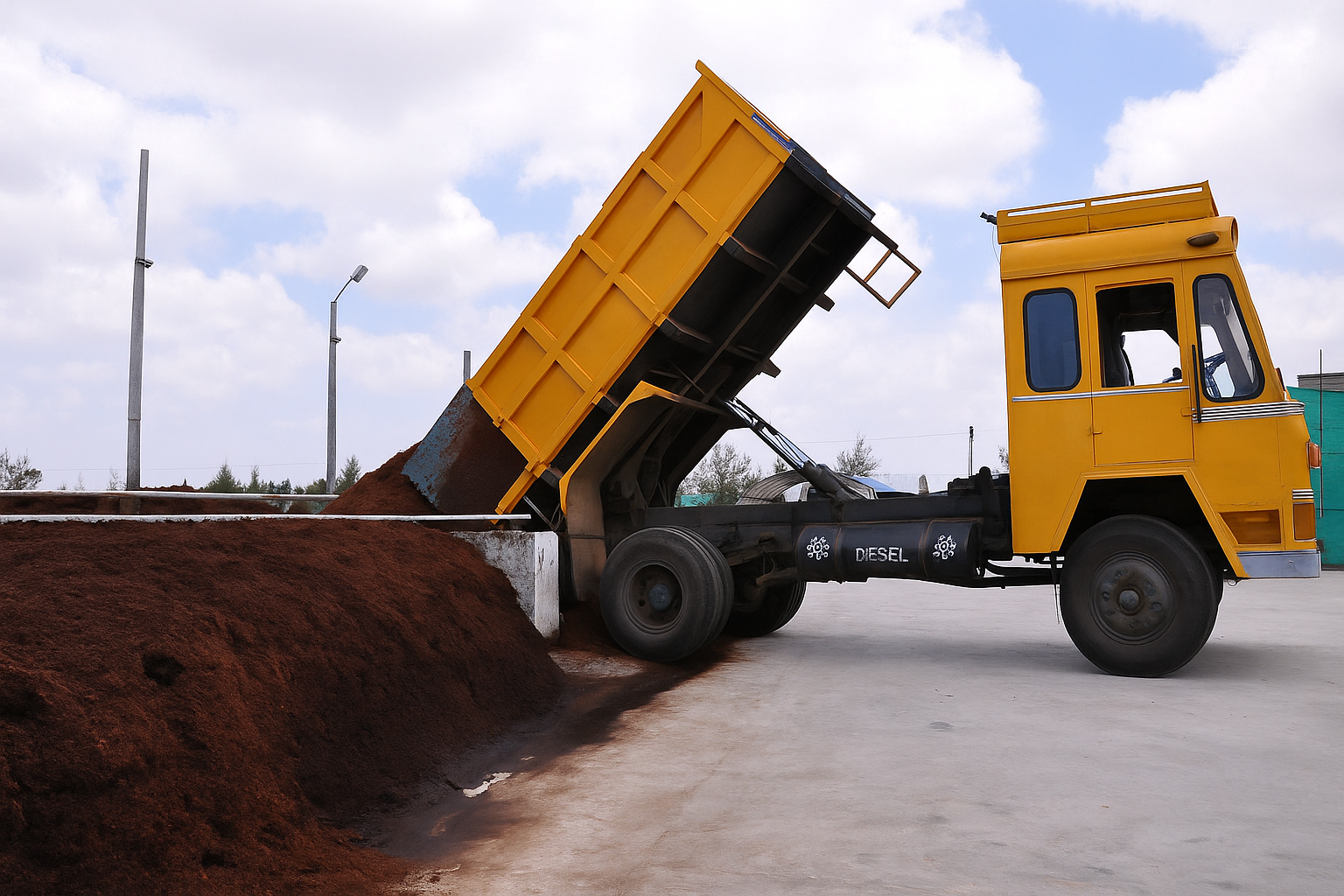
Husk Selection

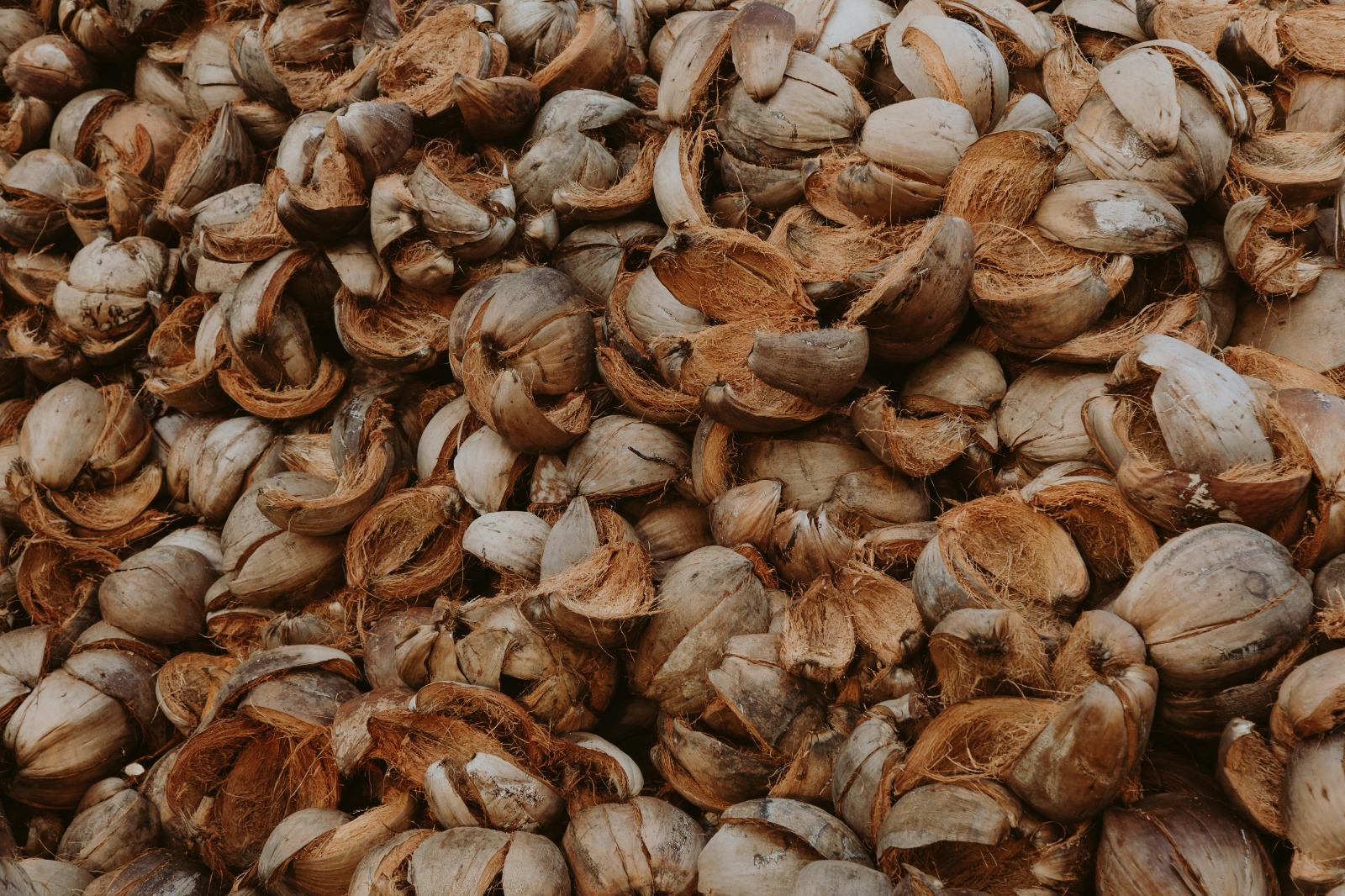
Coconut husk is the raw material for coir products. It is 100% organic & natural

Mature Brown Husks

Only mature brown husks from fully ripe coconuts are used — rich in lignin and naturally durable.

Non-Saline Inland

Sourced from non-saline inland coir clusters to ensure low EC (below 2.0 mS/cm) and clean pith quality.

No Green or Mixed Husks

Green or mixed husks are avoided due to instability and high cellulose content.

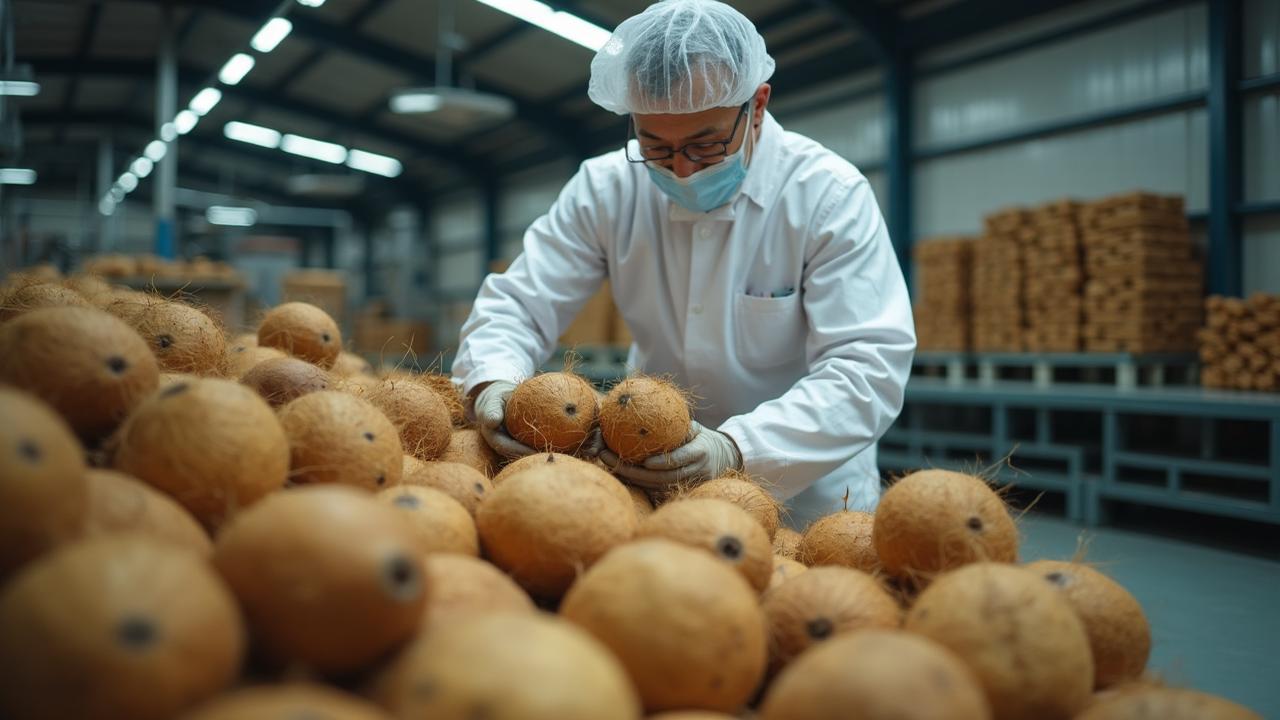
Visual Inspection

Each batch is visually inspected to remove oil-stained, moldy, or decomposed husks.

Moisture & EC Testing

Moisture tested (< 20%) and EC-checked before processing.

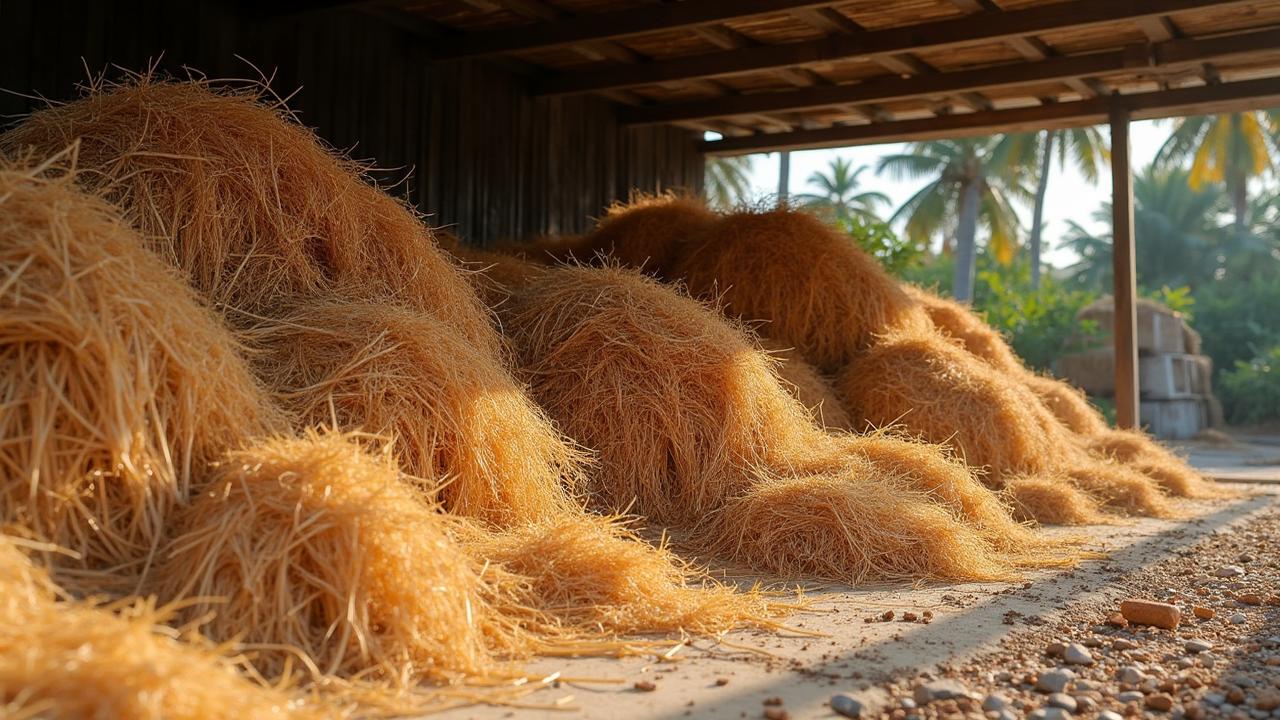
Natural Aging Process

Husks are naturally aged for 3–6 months under shade for natural leaching and tannin reduction.

Full Traceability

All lots are tagged and traceable with QC reports for ISO 9001 & organic certification compliance.

Eco-Friendly Processing

No chemical retting or open-water soaking — ensuring eco-friendly and pollution-controlled production.

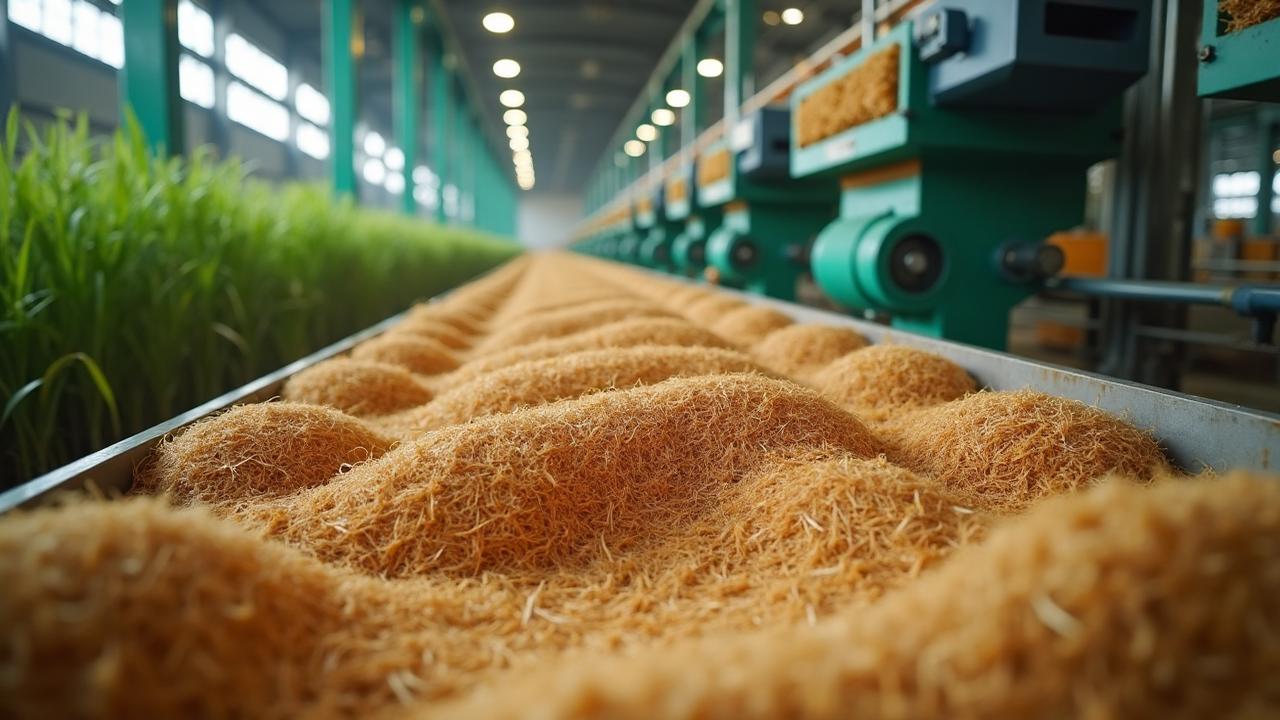
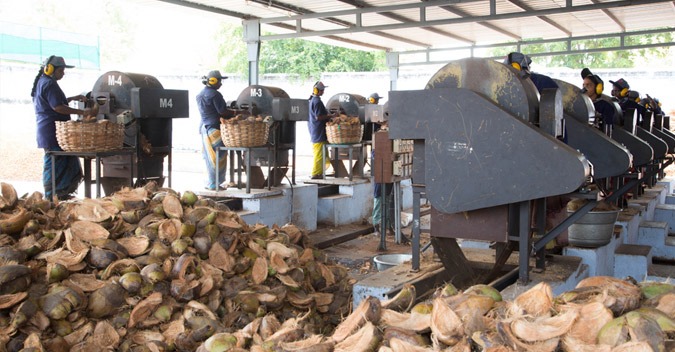
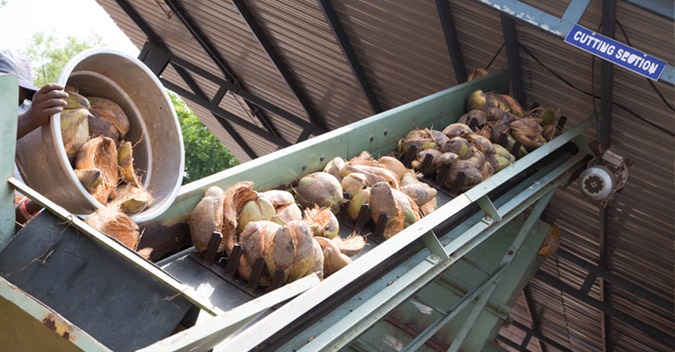
Crushing & screening

From Husk to Substrate – The Mechanical Transformation

Step 1

Pulverizing

The mature coconut husk is mechanically crushed into smaller components.

Step 2

Defibering

CoCo peat and Long Coir Fibers are separated from the Husk .

Step 2 (a)

Screening & Grading

Material is sieved to remove dust and oversize particles, ensuring uniform size.

Step 2 (b)

Eco Control

Dust collection and noise reduction systems maintain a clean, pollution-free environment.

Final Output Products

From Husk to Substrate – The Mechanical Transformation

Product

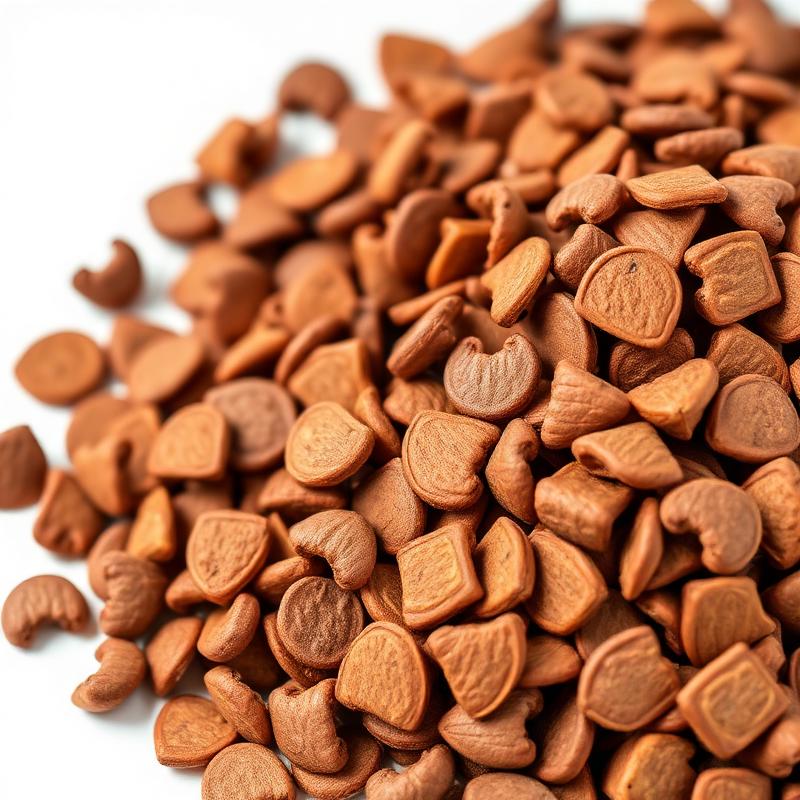
Coco Chips

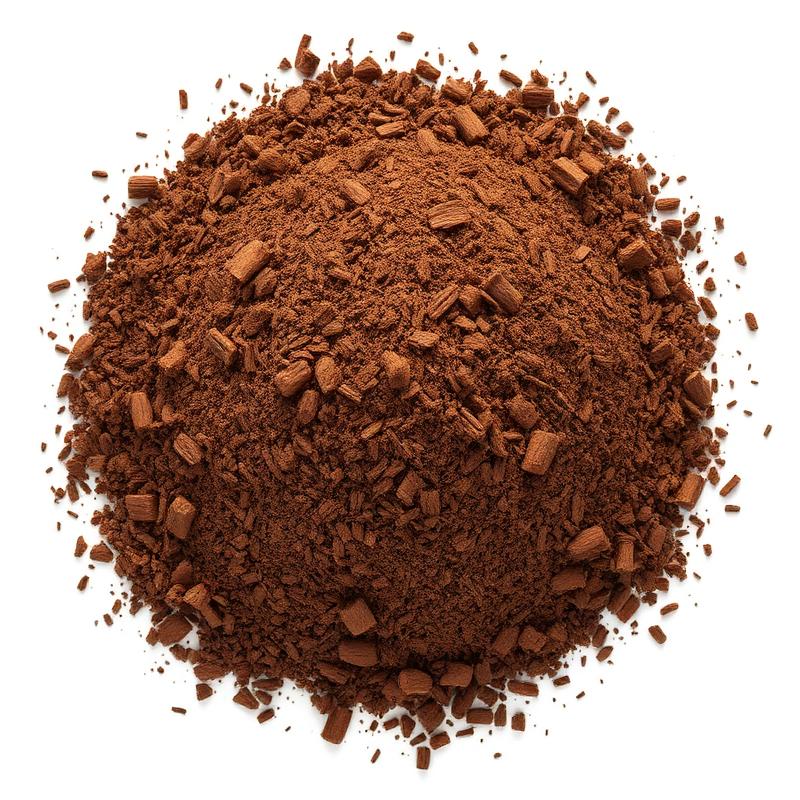
Cocopeats
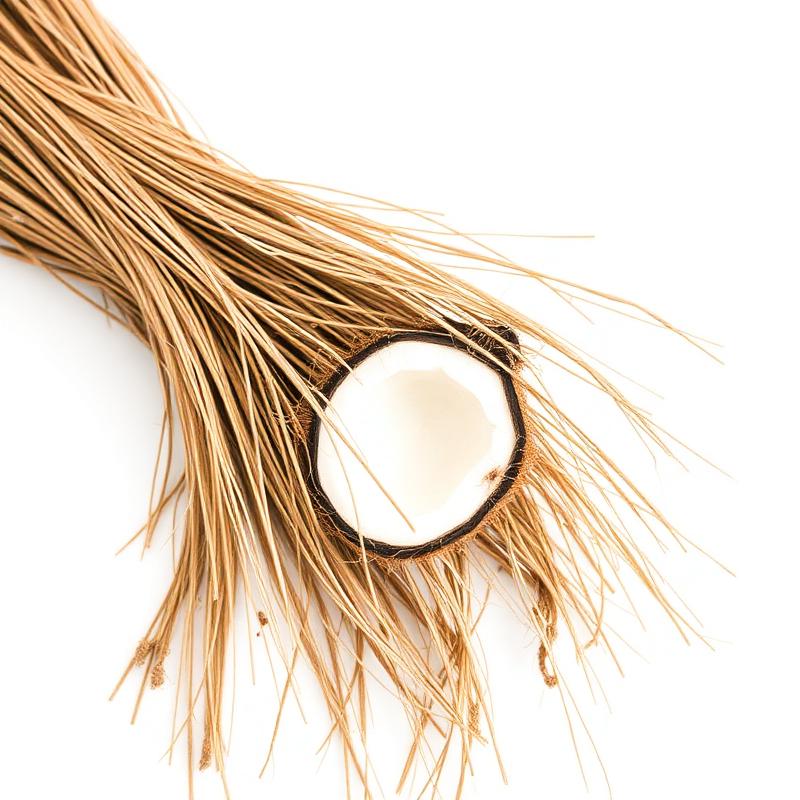
Fiber Lounges

Key Role

Improves aeration
Retains moisture & nutrients
Strength & drainage

Application

Blueberry, tomato & orchid substrates
Potting mixes, seed trays
Structural stability in grow bags

Washing and Buffering Process

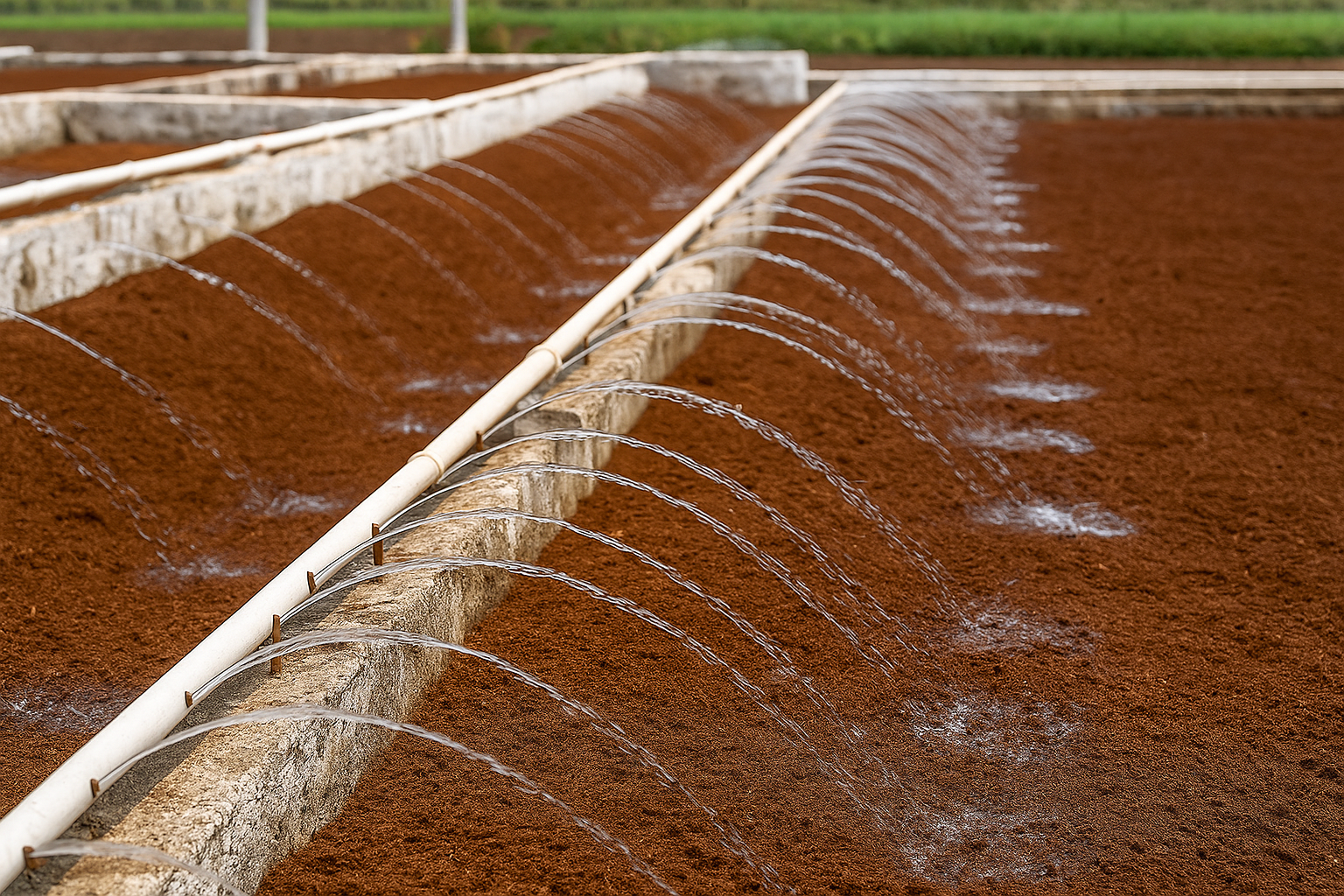
Washing and buffering are critical stages in the production of HUSKROOT™ coco substrates. These processes remove excess salts, tannins, and impurities from the raw coco pith and ensure the correct EC and pH levels for optimal plant growth and international export compliance.

Washing (Leaching Process)

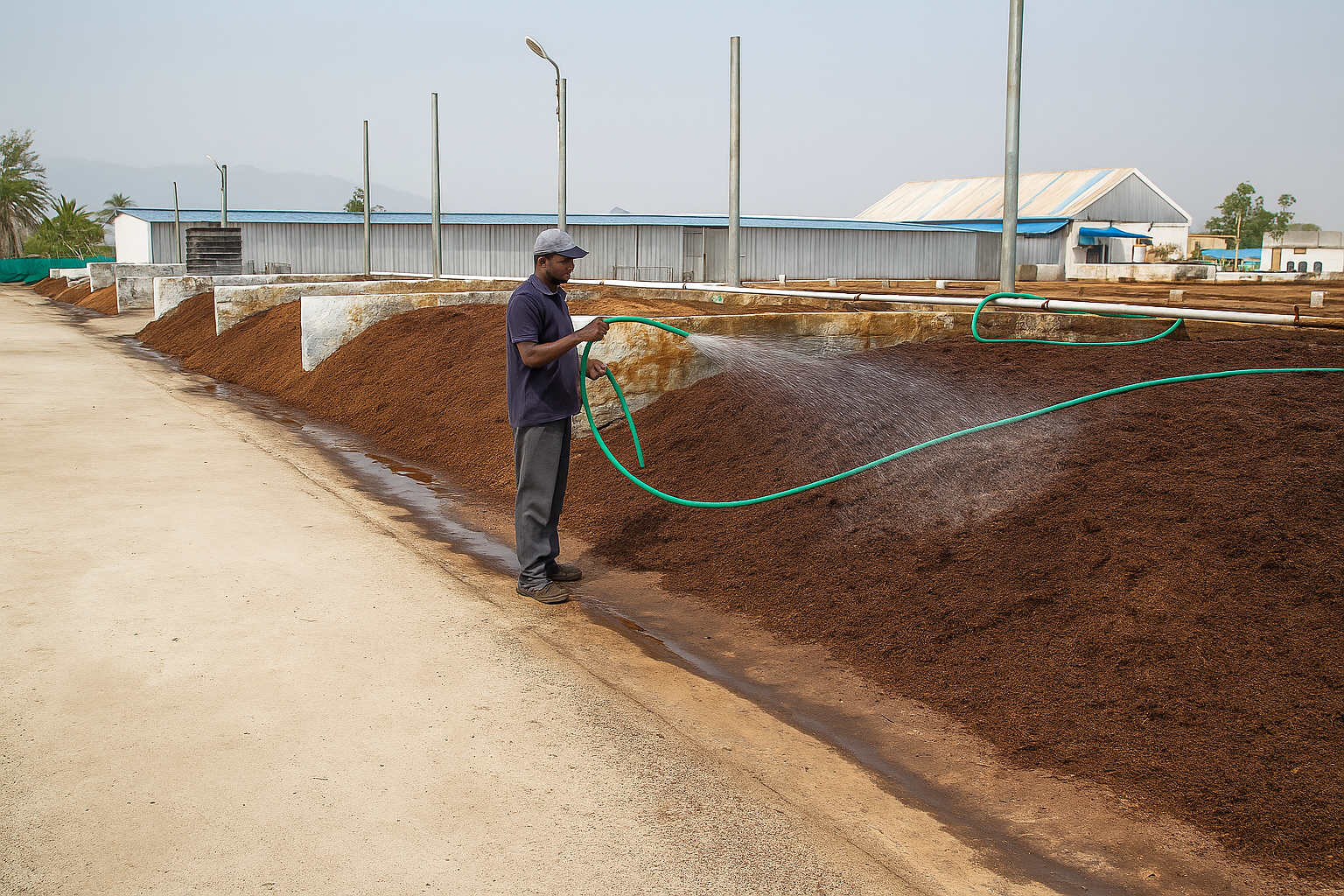
The washing process reduces soluble salts and impurities by repeated soaking and rinsing using clean, low-saline water. This ensures that the electrical conductivity (EC) and pH of the coco pith are within
acceptable limits.
Key washing activities include:
Washing Parameters

Parameter

Target Range

Test Method

EC (1:5 Extract)

< 0.5 mS/cm

EC Meter

pH

5.5 – 6.5

Digital pH Meter

Water EC

< 0.3 mS/cm

TDS / EC Meter

Tannin Color

Light brown to clear

Visual Observation

Pollution control is ensured by reusing water, preventing open discharge, and monitoring effluent EC regularly.

Buffering (Cation Exchange Process)

The buffering process replaces naturally occurring sodium (Na⁺) and potassium (K⁺) ions with calcium (Ca²⁺) and magnesium (Mg²⁺) ions. This improves nutrient compatibility and ensures that the substrate does not cause nutrient imbalance when used by growers.
Buffering process steps include:
Washing Parameters

Parameter

Target Range

Test Method

EC (1:5 Extract)

< 0.5 mS/cm

EC Meter

pH

5.5 – 6.5

Digital pH Meter

Water EC

< 0.3 mS/cm

TDS / EC Meter

Tannin Color

Light brown to clear

Visual Observation

Quality Assurance Checks

Environmental & Safety Compliance

Aspect

Control Measure

Water Use

Filtered and reused for multiple wash cycles.

Water Use

Settled, monitored, and reused where possible.

Chemical Handling

Operators use PPE and containment trays.

Certification

OMRI, CAAE, and ECOCERT compliant process.

✅ End Result

After washing and buffering, HUSKROOT coco pith achieves:

Low EC

< 0.5 mS/cm

Balanced pH

5.5 – 6.5

Toxicity Free

No Na⁺ or K⁺

Ready to Use

Organic & Hydroponic

HUSKROOT Quality Policy

“To consistently manufacture and supply eco-friendly, uniform, low-salt, high-performance coco substrate products that meet international horticultural standards through process control, precision testing, and continuous improvement.”
Quality Checkpoints Throughout the Coir Pith Manufacturing Process:

Stage

Parameter Checked

Test Method / Instrument

Acceptable Range

Frequency of Check / Remarks

Husk Selection

Moisture content

Moisture meter

< 20%

Ensures husks are semi-dry for crushing

Husk Selection

EC (Electrical Conductivity)

Portable EC meter

< 2.0 mS/cm (raw husk)

Reject saline husks

Crushing / Defibering

Fibre-pith ratio

Random sampling

Fibre 30–35%, Pith 50–55%, Chips 10–15%

Monitor uniformity

Screening & Grading

Particle distribution

Sieve analysis

Fine 0–1 mm, Medium 1–5 mm, Coarse 6–12 mm

Match substrate type

Washing & Leaching

EC of water extract

EC meter (1:5 ratio)

< 0.5 mS/cm

Ensure low salt levels

Drying

Moisture content

Moisture meter

< 15%

Prevent fungal growth

Compression & Packaging

Block weight

Digital scale

± 100 g tolerance

Uniform product weight

Final QC

Expansion volume

Soak test

70–80 L per 5 kg block

Rehydration capacity

Standard Instruments Used:

Instrument

Purpose

Digital EC Meter

Measures soluble salts (electrical conductivity)

Digital pH Meter

Checks substrate acidity/alkalinity

Digital pH Meter

Instant moisture percentage

Infrared Thermometer

Checks machine heat

Weighing Scale (Digital)

Measures weight consistency

Sieve Analysis Set

Determines particle distribution

TDS Meter

Confirms salt level in wash water

Magnetic Detector

Identifies metal particles

Expansion Cylinder

Measures rehydrated volume

Air Porosity Test Setup

Measures AFP & WHC

Testing Method Reference (Standard Practice):

Method

Description

EC & pH (1:5 test)

1 part cocopeat + 5 parts distilled water → stir 15 mins → filter → test EC/pH

WHC test

Saturate sample → drain 30 min → weigh retained water

AFP test

Fill container with water, measure air displacement after drainage

Ca/Na Buffer Test

Chemical analysis using atomic absorption or ion chromatography

Expansion Test

Rehydrate 5 kg block → measure expanded volume (L)

Moisture %

Weight loss on drying at 105°C (lab method) or moisture meter reading

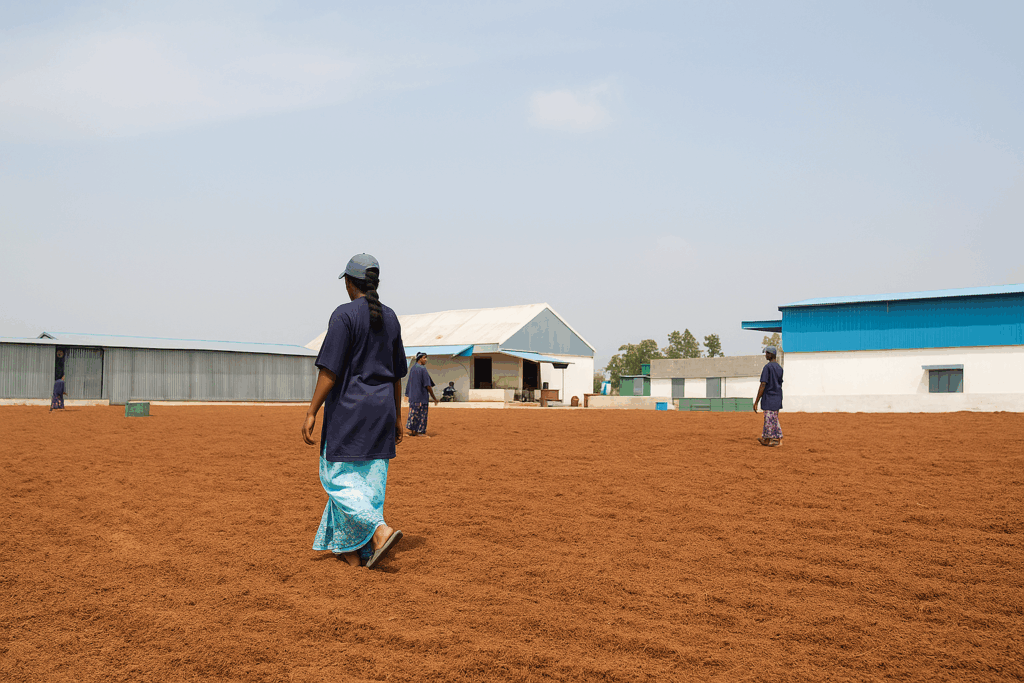
Sun Drying Process

img

Purpose

The sun drying process is an essential stage in HUSKROOT coco substrate manufacturing. It naturally reduces moisture content of washed and buffered coco pith and chips on clean cement yards, ensuring a stable, hygienic substrate ready for compression and export. This eco-friendly drying method supports OMRI, CAAE, and ECOCERT organic standards.

To achieve safe and stable moisture levels (≤ 15%) using 100% sun drying on cement yards, ensuring product quality, purity, and sustainability.

Drying Process Overview

Input Material

Washed & Buffered Coco Pith (~60–70% moisture)

Output Material

Washed & Buffered Coco Pith (~60–70% moisture)

Sun Drying on Cement Yard – HUSKROOT Standard

Quality Parameters Monitored

Parameter

Target Range

Instrument / Method

Purpose

Moisture

≤ 15%

Digital Moisture Meter

Prevent microbial growth

Color

Uniform reddish-brown

Visual Inspection

Indicates proper drying

Odor

Neutral

Sensory Check

Confirms freshness

Cleanliness

Dust-free, no soil contact

Visual Check

Maintains purity

Pollution & Safety Compliance

Aspect

Control Measure

Drying Yard

Cemented yard with proper drainage and no soil contact

Runoff Water

Collected and reused after sedimentation

Dust Control

Mild water misting during windy conditions

Worker Safety

Masks, gloves, and footwear provided

Contamination Control

Separate drying zones for washed and unwashed pith

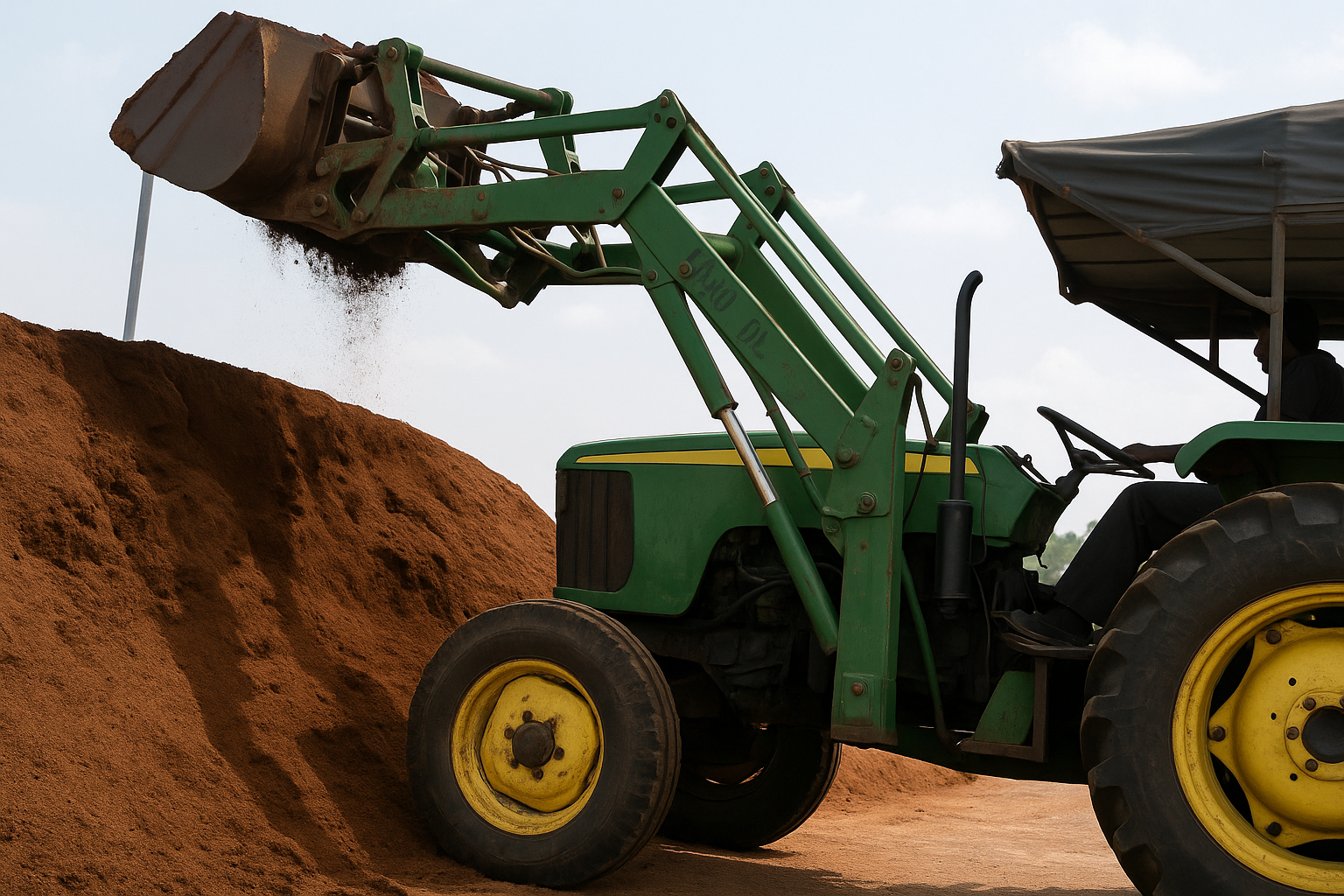
Post-Drying Handling

Mixing and Compression Process

Mixing and compression are the final stages in the HUSKROOT coco substrate manufacturing process. These stages ensure uniform substrate blending and efficient compaction into export-grade blocks or grow bags, delivering consistency, quality, and performance for international horticultural markets.

Purpose

To create uniform substrate blends and compress them into export-grade blocks or grow bags, ensuring product consistency, quality, and efficient shipping.

1. Mixing Process (Blend Preparation)

Objective: To combine different grades of dried coco pith, chips, and fibres in precise ratios to achieve required physical properties such as air porosity, water-holding capacity (WHC), and bulk density.

Input Materials

• Dried coco pith
• Coco chips (for aeration)
• Coir fibre (for structure and drainage)

Mixing Procedure

Material Selection:
• Choose dried materials (moisture ≤ 15%) from graded bins (fine, medium, coarse).
Weighing:
• Use digital platform scales to measure each component according to blend formula (e.g., 70% pith : 20% chips : 10% fibre).
Mechanical Mixing:
• Load into ribbon blender or rotary drum mixer for 8–10 minutes.
• Add minimal water misting if required for dust control.
Homogeneity Check:
• Inspect texture and color consistency manually or by sieve sampling.

Quality Parameters – Mixing

Parameter

Target Range

Test Method

Moisture

12 – 15 %

Moisture meter

Bulk Density

80 – 110 kg/m³

Cylinder volume test

Air-Filled Porosity

30 – 45 %

Lab AFP test

Water-Holding Capacity

45 – 55 %

Soak–drain test

Output: Uniform substrate mix with stable physical structure, ready for compression.

2. Compression Process

Objective: To compact the mixed or graded coco pith into standard-sized blocks, bricks, or grow bags for easy handling, shipping, and use.

Equipment Used

• Hydraulic Compression Press
• Automatic Weighing Feeder
• Block Moulds (5 kg, 650 g, or customized)
• Shrink-Wrap or Poly Film Sealing Machine

Process Description

1. Feeding: The prepared mix is fed into the hydraulic press via conveyor.
2. Compression: Hydraulic pressure of 60 – 80 tons is applied to reduce bulk volume (compression ratio ≈ 5 : 1).
3. Moulding: The compressed block is shaped to standard export dimensions (30 × 30 × 12 cm for 5 kg).
4. Wrapping: Each block is wrapped in UV-stabilized LDPE film and heat-sealed.
5. Labeling: Stickers with product name, batch number, EC, pH, and date are affixed for traceability.

Quality Parameters – Compression

Parameter

Target / Standard

Instrument / Method

Frequency

Block Weight

5 kg ± 100 g

Digital scale

Every block

Compression Ratio

4 : 1 – 5 : 1

Volume vs. weight

Hourly

EC / pH

EC < 0.5 mS/cm, pH 5.5 – 6.5

EC/pH meter (1 : 5)

Each batch

Expansion Volume

70 – 80 L per 5 kg block

Rehydration test

Each lot

Appearance

Uniform color, clean edges

Visual

Continuous

Environmental & Safety Controls

Aspect

Control Measure

Noise & Vibration

Hydraulic press enclosed, shock-absorbing base

Dust Control

Suction ducts or water misting near feeder

Worker Safety

PPE – gloves, ear protection, mask

Waste Material

Reused in next batch or composted

Energy Efficiency

Hydraulic oil recycling and timed operation

Final Output Products

Product Type

Size

Typical Use

5 kg Block

30 × 30 × 12 cm

Greenhouse substrate, export

650 g Brick

20 × 10 × 5 cm

Retail packs & home gardening

Grow Bag

100 × 18 × 12 cm

Blueberry, tomato, cucumber cultivation

Loose Mix

Custom

Nursery & horticultural blends

Output: Uniform substrate mix with stable physical structure, ready for compression.
✅ End Result – HUSKROOT Quality Assurance

After mixing and compression, HUSKROOT coco substrates are:

Chemically balanced

(EC < 0.5 mS/cm, pH 5.5 – 6.5)

Physically uniform

(AFP 30 – 45%, WHC 45 – 55%)

Hygienic and moisture-controlled

(≤ 15 %)

Ready for global

dispatch with ISO 9001 and CAAE traceability

Quality Promise

Every batch is tested for EC, pH, bulk density, particle profile, moisture and assigned a traceable lot ID. Packaging is UV-protected, palletized, and containerized with moisture control.